
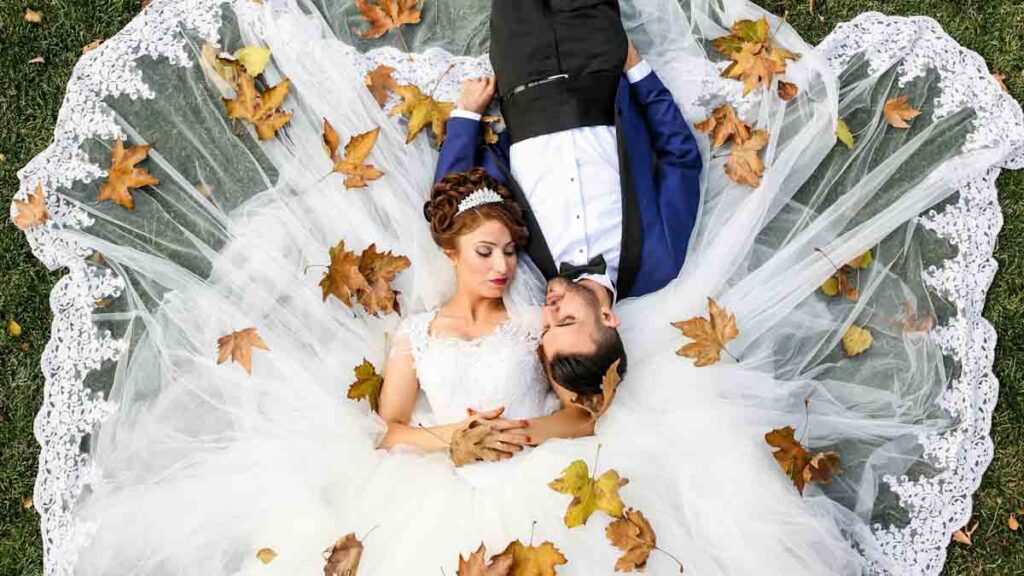
An Italian wedding is a ceremony made of food (lots of!), drinks, music and celebration. What you can expect depends on the type of wedding you’re going to. From the ones organised by foreign couples who pick Italy for its beauty, to the most authentic local weddings, full of customs and traditions: this article explains how each type works, what to do, what to bring, and how to enjoy the day without stress.
👉 For a wider overview of customs, see our guide: Italian Etiquette Guide.
Foreign Weddings Hosted in Italy
Many foreigners choose Italy as their wedding destination for its scenery, cuisine, or for its charm. If you’ve been invited to one, you’ll likely find that most details are already taken care of. Couples who plan destination weddings often hire a wedding planner who manages logistics, guest accommodation, transportation, and the day’s schedule.
You might need to book your flight and arrange your arrival, but once on site, expect clear instructions and organized transfers between venues. The planner or hosts typically share an itinerary or WhatsApp group with all the details.
If the ceremony takes place in a remote area or small village, be prepared for local challenges: limited taxis, public transport that runs infrequently, and few English speakers outside the venue. Booking transportation in advance is strongly advised.
👉 Got lost on the way to the wedding? Check out our guide on how to ask for directions!
When it comes to gifts and etiquette, you can follow the customs of your home country. If the couple is foreign, their expectations for gifts, dress code, and timing are likely to match your own culture’s norms. Italian traditions will influence the food and schedule, but you’ll probably feel at home in terms of social etiquette.
Attending an Italian Wedding
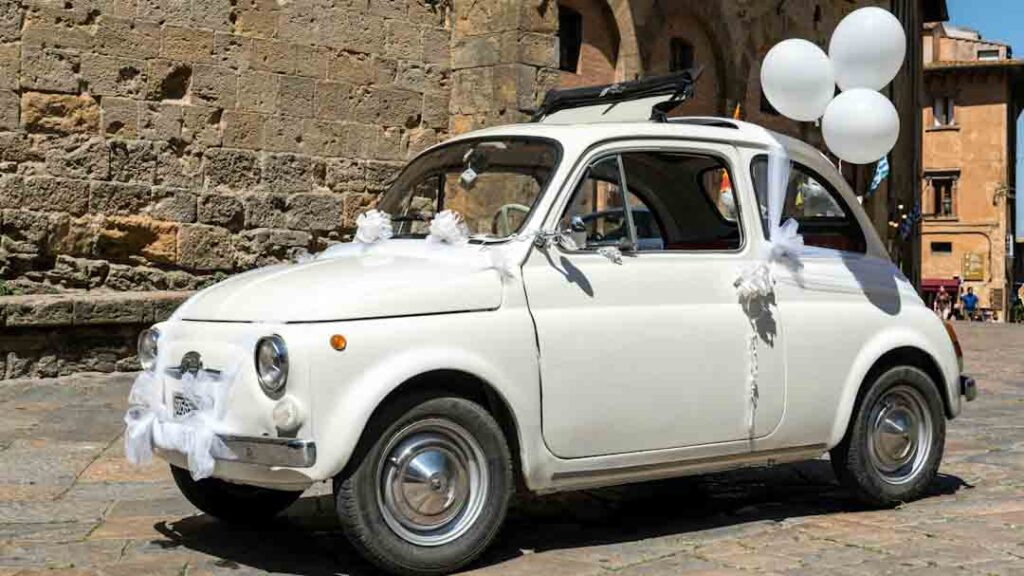
If the wedding is hosted by an Italian couple and you’ve never been to one before, the experience might feel very different. Italian weddings can be large, emotional, and full of food, music, and long celebrations. The day can easily stretch from the morning ceremony to a late-night party.
You’ll often need to organize logistics yourself: booking accommodation and also finding a way to reach the ceremony. In rural areas or small towns taxis are rare, and you might need to coordinate rides with other guests.
When attending a church wedding, dress modestly: shoulders should be covered, and short skirts or low-cut tops are discouraged. For men, a suit and tie are expected unless otherwise stated.
Gifts are traditionally given as money in an envelope rather than through a gift list. Guests usually hand this directly to the couple during the reception, often accompanied by a card. The amount varies depending on your relationship with the couple: close friends and family tend to give more, but the gesture matters most.
The Ceremony and Reception

The ceremony can be civil or religious. Church weddings are still common, especially in smaller towns. Even civil ceremonies often include symbolic readings and blessings.
Receptions usually begin with an aperitivo or a standing buffet of drinks and finger food, followed by a seated dinner with multiple courses. Expect regional dishes prepared with local ingredients and generous portions. In Le Marche, for instance, you might find dishes like vincisgrassi or fresh seafood pastas served as part of the meal.
Music, speeches, and dancing continue until late into the night. Italians love to celebrate, so don’t be surprised if dessert and cake are followed by hours of dancing, open bars, and sometimes fireworks.
Etiquette and Timing
Italian weddings rarely start exactly on time, but they run on a social rhythm everyone understands. Guests usually arrive 15–30 minutes before the announced time. Don’t expect a quick evening — it’s normal for receptions to last 6–8 hours or more.
If you don’t speak Italian, a few phrases can help you connect with other guests. Simple greetings like “Congratulazioni!” or “Tanti auguri agli sposi!” (“Best wishes to the newlyweds!”) are always appreciated. Italians are warm and will welcome your effort to participate.
Weddings in Le Marche
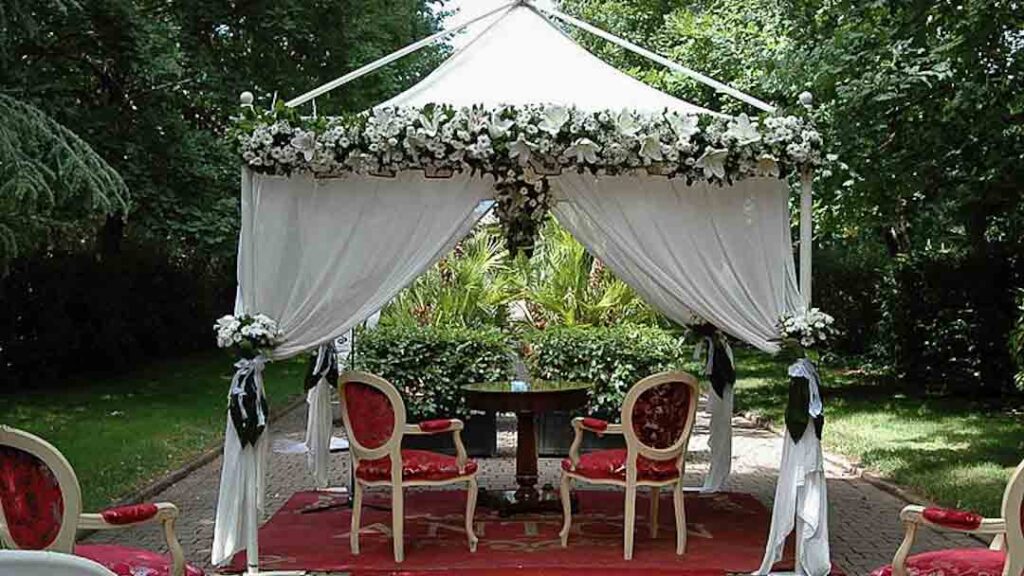
In Le Marche, weddings often blend traditional charm with countryside authenticity. Venues include agriturismi, restored farmhouses, and villas overlooking rolling hills. The atmosphere is usually less formal than in major cities but just as joyful.
Local traditions might include regional dishes and homemade desserts prepared by relatives. Guests are often treated like family, and the celebrations can last all weekend. As a visitor, simply follow the lead of locals and enjoy the hospitality.
Key Takeaways
- Foreign weddings in Italy are typically well organized and managed by a planner — just follow the instructions provided.
- Italian weddings are longer, more traditional, and often require you to handle your own logistics.
- Dress modestly for religious ceremonies and bring cash gifts unless otherwise instructed.
- Expect long celebrations filled with food, music, and dancing.
- In Le Marche, weddings combine elegance with rural warmth.
Related Articles:
• How to Behave at Markets in Italy
• How to Order Coffee in Italy
• How to behave at funerals in Italy