
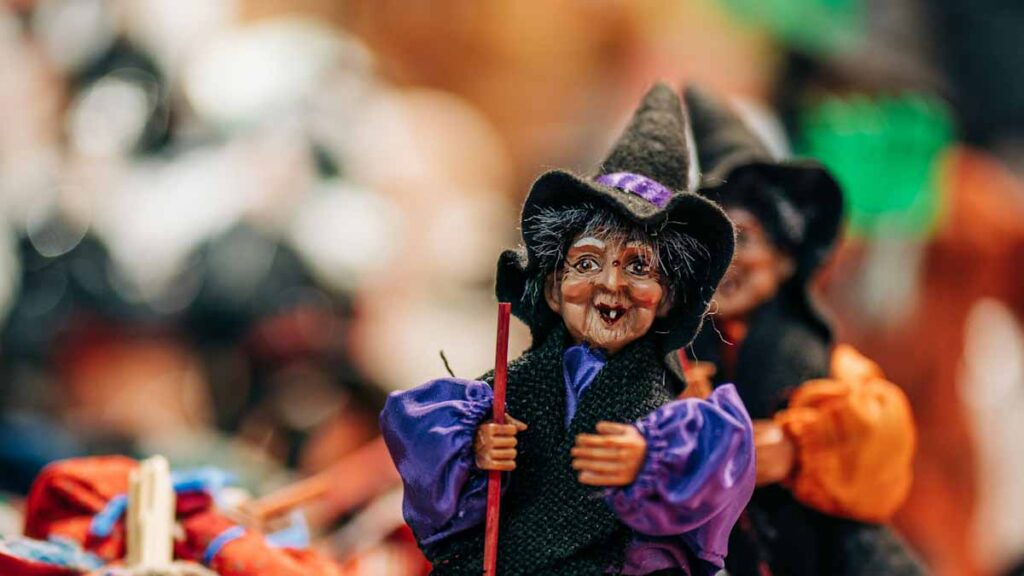
If Christmas and New Year mark the height of Italy’s festive season, La Befana is its final chapter. Celebrated every year on January 6th, this day brings the long Italian winter holidays to an end with a touch of old folklore. While children hang stockings by the fireplace, adults prepare their transition from celebration to their ordinary life.
👉 For more etiquette insights, see our guide: Italian Etiquette Guide.
The Origins of La Befana
The name “Befana” is thought to come from the Greek word “Epifania” (Epiphany), which refers to the Christian feast celebrating the arrival of the Three Wise Men (the Magi) to visit the baby Jesus. Over centuries, linguistic changes and regional dialects transformed “Epifania” into “Befania,” and finally “Befana.”
But while the Epiphany itself is rooted in Christian tradition, the figure of La Befana is older, much older. Historians trace her back to pre-Christian Roman and pagan rituals celebrating the end of the agricultural year and the rebirth of nature. In ancient Rome, people honored female deities like Strenia and Diana with midwinter celebrations, exchanging gifts to wish each other prosperity for the coming year.
When Christianity spread through Italy, many of these pagan customs were absorbed into new religious celebrations. The Befana, with her broom, bag of gifts, and kindly but mischievous spirit, survived as a blend of both worlds: a symbol of transition between the old and new.
The Story of the Old Lady on the Broom
According to Italian folklore, Befana is an old woman who flies on a broomstick, visiting children during the night of January 5th. She enters homes through the chimney, much like Santa Claus, and fills the stockings (calze) of good children with sweets, chocolate, and small gifts. Those who misbehaved receive coal, although nowadays, it’s often sweet black sugar made to look like coal.
The most famous version of the legend says that Befana met the Three Wise Men on their way to Bethlehem. They asked her for directions and invited her to join them, but she declined, saying she had too much cleaning to do. Later, she regretted it and tried to follow them, bringing gifts for the baby Jesus — but she never found Him. Since then, she flies each year on the night before Epiphany, bringing gifts to every child in the hope of finding the Christ child.
A National Tradition with Local Flavors
Every Italian region celebrates Befana in its own way. In some towns, processions feature a woman dressed as Befana, distributing candies to children. In others, small fairs and markets fill the streets with sweets, handmade toys, and festive decorations.
One of the most famous celebrations takes place in Urbania, a town in the Marche region believed to be Befana’s “official home.” Each January, the town hosts La Festa Nazionale della Befana, drawing thousands of visitors. Streets are filled with music, food stalls, and locals dressed as the cheerful witch, filling the town with color and joy. For Le Marche and central Italy, this festival is an unmissable highlight of the winter calendar.
Befana vs. Other Festivities Around the World
The timing of Befana — early January — coincides with various other end-of-year or renewal celebrations worldwide. For instance:
- In Spain and much of Latin America, January 6th is celebrated as Día de los Reyes Magos (Day of the Three Kings), when children receive gifts from the Magi.
- In Eastern Europe, Epiphany marks the day of the Blessing of the Waters, where people bathe or gather holy water for good fortune.
- In Russia and Orthodox countries, the holiday season continues until Old New Year (January 14th).
What makes Befana uniquely Italian is her combination of pagan, Christian, and folk symbolism — the blending of a grandmotherly witch figure with deep-rooted cultural values of family, generosity, and renewal.
The Symbolism Behind Befana
While she may look like a witch, Befana is the very opposite of evil. Her broom represents not dark magic, but cleansing — sweeping away the old year to make space for the new one. Her sack of sweets is a symbol of abundance and kindness, while the soot on her face comes from her long nights traveling through chimneys.
Befana embodies traits deeply admired in Italian culture: warmth, humility, and domestic care. She is often compared to the figure of a loving grandmother — slightly disheveled, perhaps, but endlessly generous.
Even today, many Italians see her as a comforting, familiar symbol of home and continuity. As children grow older, the magic of Befana may fade, but her story remains part of Italy’s shared cultural identity.
How Italians Celebrate Today
On the night of January 5th, children hang their stockings by the fireplace or near their beds. Families prepare small snacks or glasses of wine for Befana — a gesture of hospitality and affection.
The following morning, children wake up to find their stockings filled with treats or small toys. Markets and piazzas bustle with festivities, bonfires, and music. Many towns also hold a bonfire ceremony known as “Falò della Befana”, where people burn effigies of the old woman to symbolize the passing of the old year and the start of a new one.
Key Takeaways
- Befana is celebrated on January 6th, marking the end of Italy’s holiday season.
- The name comes from “Epifania,” tied to both Christian and ancient Roman traditions.
- The legend tells of a kind old woman who missed her chance to meet the baby Jesus and now brings gifts to all children.
- Each region, especially Urbania in Le Marche, celebrates Befana with unique customs and events.
Related Articles:
• How to attend a wedding in Italy
• Italian neighbours and community etiquette
• How to behave at funerals in Italy