
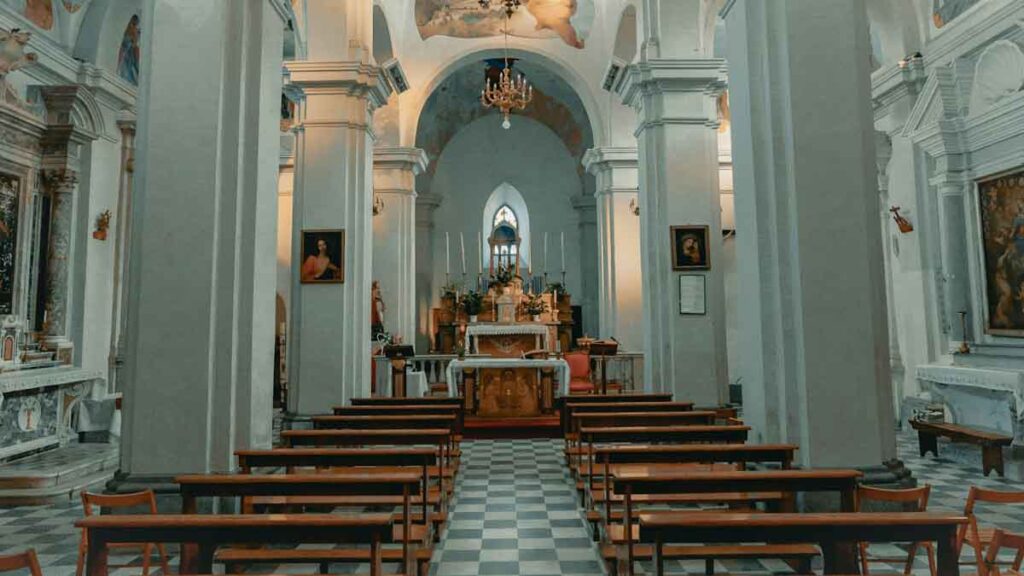
Millions of people visit Italian churches every year. Weekly mass attendees and sightseeing tourists, they all need to follow a set of rules to show their respect for religious traditions in order to get access. While you won’t always be stopped at the door, being appropriately dressed is essential if you want to avoid awkward situations or being denied entry.
👉 For more tips on Italian manners, see our guide: Italian Etiquette Guide.
General Dress Code
Most Italian churches, including small local ones, follow a modest dress code. This means:
- Shoulders should be covered (avoid sleeveless tops or tank tops).
- Shorts and very short skirts are discouraged.
- Hats and caps should be removed when entering.
- Beachwear or overly casual outfits are not appropriate.
Even though some churches are more relaxed, larger and more famous ones such as St. Peter’s Basilica in Rome or Florence’s Duomo are strict and may refuse entry if you are dressed inappropriately.
Why the Dress Code Matters
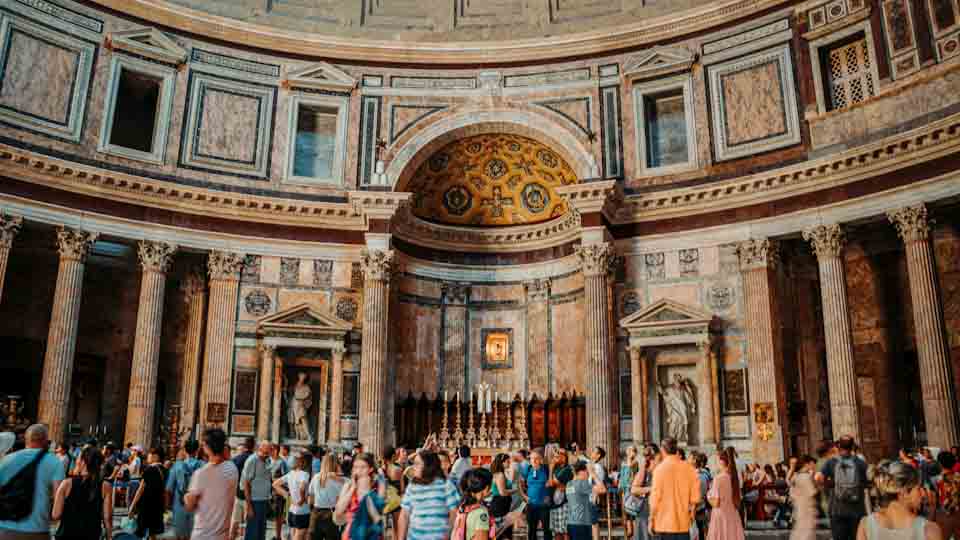
Italy is filled with churches that are not only religious spaces but also major historical monuments. Tourists may sometimes see them as museums, but they remain active places of worship. Showing respect with your clothing helps avoid offending locals and contributes to a better cultural exchange. Priests and guards at the entrance often make quick judgments, so being prepared saves you trouble.
Practical Clothing Tips
- Carry a light scarf or shawl: useful to cover your shoulders or legs if needed.
- Wear comfortable but modest shoes; flip-flops are not recommended.
- Opt for knee-length shorts or skirts rather than very short ones.
- In summer, choose breathable fabrics but still keep shoulders and knees covered.
Many Italian women and men keep a scarf or a light cardigan in their bag precisely for these situations. Tourists who come prepared rarely encounter problems.
Differences Between Small Towns and Big Cities

In smaller towns, parish priests and locals are often even more attentive to dress codes, especially during mass or religious events. In bigger cities like Rome, Milan, or Venice, the rules are enforced mainly in famous tourist attractions. For example:
- At St. Mark’s Basilica in Venice, guards monitor clothing closely.
- At St. Peter’s in the Vatican, lines move quickly but checks are strict.
- In small-town churches in regions like Le Marche, locals may personally remind you if your outfit is considered inappropriate.
What Happens if You’re Not Properly Dressed?
If you show up in shorts and a tank top, you might:
- Be denied entry completely.
- Be asked to buy or borrow a disposable cover-up (some churches sell paper capes).
- Feel out of place if locals stare or comment, especially during religious ceremonies.
The solution is simple: dress modestly from the start, or carry a scarf and longer layer for visits.
Le Marche Example
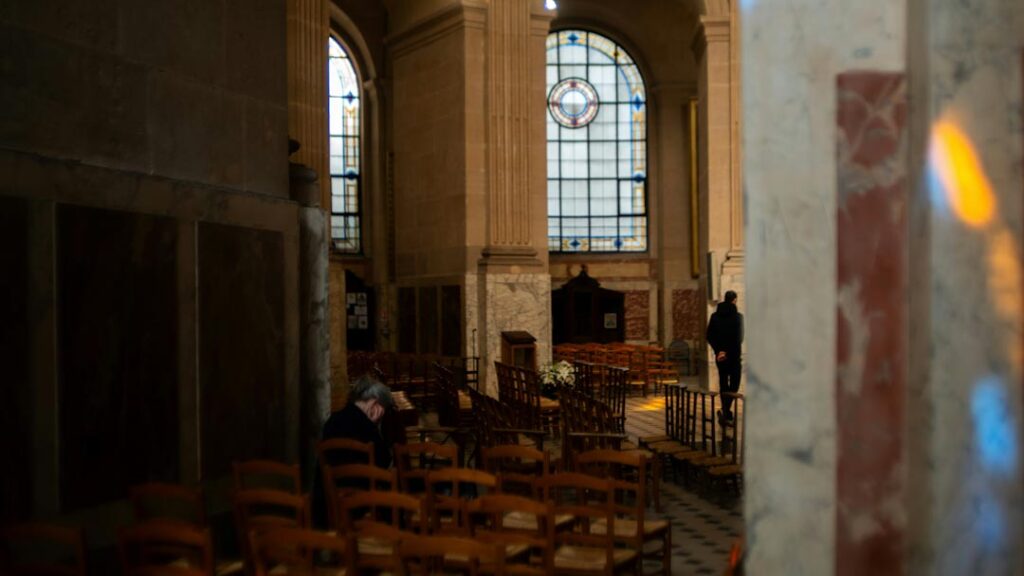
In Le Marche, churches are deeply tied to local community life. Villages often gather around their parish, and tourists stand out more. Wearing appropriate clothing is both a sign of respect and a way to blend in with locals. If you visit famous churches like Loreto’s Basilica della Santa Casa, expect rules to be enforced as strictly as in Rome or Florence.
Special Occasions
If you are attending:
- Weddings: Dress elegantly but avoid too revealing outfits.
- Funerals: Wear darker, more somber clothing.
- Mass or feast days: Locals will usually wear their best clothes, so following their example is a safe choice.
Key Takeaways
- Cover shoulders and knees when visiting Italian churches.
- Scarves and shawls are useful for quick adjustments.
- Rules are strict in famous sites like St. Peter’s and Loreto, and more relaxed in small parish churches — but respect is always expected.
- Dressing modestly avoids awkward moments and shows cultural awareness.
- In regions like Le Marche, traditional values are still strong, so being considerate with your outfit will be appreciated.
Related Articles:
• How to attend a wedding in Italy
• Italian neighbours and community etiquette
• How to behave at funerals in Italy