
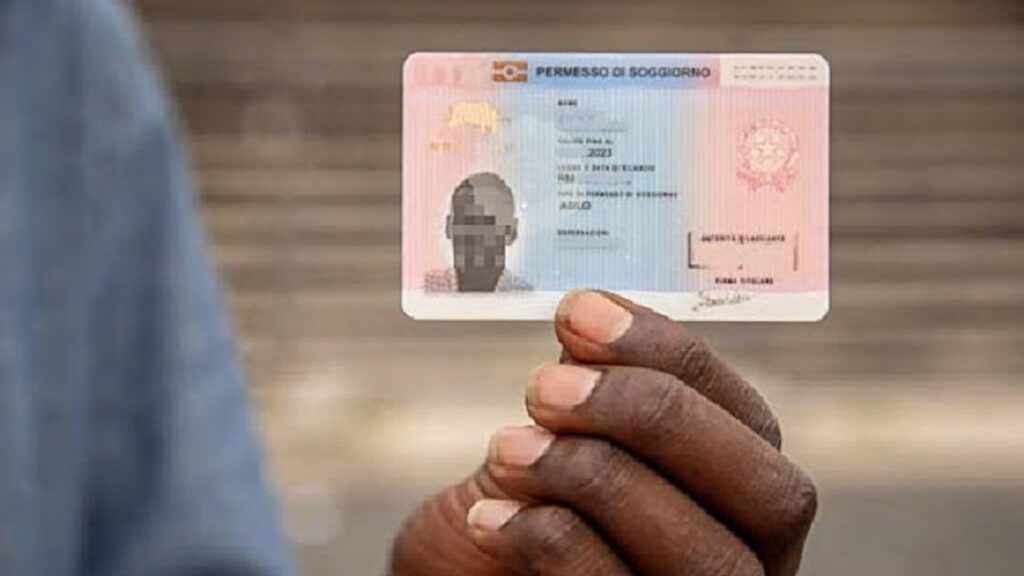
In Italy there are around 6 million foreigners living in the country. Of these, about 4 million are extracomunitari (people coming from outside the European Union), and holders of a Permesso di soggiorno (the Italian residency permit). This is an important document that is required to stay in Italy as a regular resident.
In this practical guide, we’ll focus on who needs to request one, what you’ll need to do to get it and when.
👉 For a wider overview of Italy’s everyday systems, see: Italian Bureaucracy and Everyday Life.
Table of Contents
- Quick overview: EU vs non-EU
- Step 1 — Choose the right visa or path
- Step 2 — On arrival: post office kit or direct Questura booking
- Step 3 — Attend the Questura appointment
- Documents you’ll typically need
- Fees and timing (what to expect)
- Renewals and changes
- For EU citizens: how to register at the Comune
- Practical tips to avoid common headaches
- Key takeaway
- Useful link
- See also
Quick overview: EU vs non-EU
EU / EEA / Swiss citizens
- No visa required. If you plan to live in Italy for longer than 90 days you must register your residency (iscrizione anagrafica) at the local Comune (town hall) where you live. The Comune issues proof of residence which you’ll use for local services, healthcare registration and tax matters.
Non-EU citizens
- Most long stays (more than 90 days) require a visa issued by an Italian consulate before arrival. After arriving, you apply for a permesso di soggiorno (residence permit). The common route is: visa → entry → post office kit → Questura appointment → permit issued.
Step 1 — Choose the right visa or path
If you are non-EU, identify the correct visa before you travel:
- Elective residence visa (for people with independent income — retirees, etc.).
- Work visa (if you’ll have an Italian job).
- Family reunion, student, investor visas etc.
If you are EU, go straight to registering at the Comune after you arrive.
(If you’re unsure which visa to apply for, your local Italian consulate’s website is the primary source of truth. See useful external link below.)
Step 2 — On arrival: post office kit or direct Questura booking
For many permesso types you start by picking up and submitting the official “kit” at a post office with a Sportello Amico (literally ‘Friendly Desk’). The kit is a set of forms plus an envelope that the post office forwards to the local immigration office (Questura). At submission you normally pay the postal fee (varies by type) and affix a €16 revenue stamp (marca da bollo) where required.
Important: not every permit type uses the postal kit — some require you to book an appointment directly with the Questura (e.g., some work permits or special procedures). Check the local Questura page or the “Prenota Facile” portal for appointments.
Step 3 — Attend the Questura appointment
After the post office step you will receive notification (SMS / letter) to book an appointment at the Questura (immigration office) for biometrics and document verification. At the Questura you will:
- Provide originals of all documents.
- Have fingerprints taken and photo for the card.
- Be given an identification receipt (attestazione) while you wait for the final card.
Processing time varies by province and season. Expect anywhere from a few weeks to several months; busy coastal provinces in summer can be slower.
Documents you’ll typically need
(Exact list depends on visa/permit type, but commonly required:)
- Passport (valid) + copies.
- Visa (if applicable).
- Proof of accommodation (rental contract or property deed).
- Proof of income or financial means (bank statements, pension statements).
- Health insurance or evidence of enrolment in Italy’s system (for some visas).
- Two passport photos.
- Marca da bollo (€16) where indicated.
- Translations and apostilles for foreign documents, if required.
- Codice fiscale (tax code) — essential for almost everything in Italy (bank, utilities, contracts). (See our article: What is Codice Fiscale.)
Fees and timing (what to expect)
- Post office kit fee / postal handling: this varies (often around €30 on acceptance, but check local instructions).
- Marca da bollo: €16 (common requirement).
- Questura processing / administrative fees: vary by permit type and province — budget a few dozen up to a few hundred euros in total including stamps and any service fees.
Timing: some straightforward renewals or standard permits can be processed in a few weeks; initial permits for new applicants often take months. The Questura’s workload and local practices determine much of the delay.
Legal timeframe: The permesso di soggiorno should be issued within 60 days from the application date.
However, many Questure do not meet the 60-day standard. Waiting times can range from 3–6 months up to 12–20+ months in large cities.
Renewals and changes
- Apply to renew well before expiry (timelines depend on the permit type).
- If your circumstances change (job, family, address) notify the relevant offices and follow the correct procedure. Not doing so can complicate renewals.
For EU citizens: how to register at the Comune
If you are EU/EEA/Swiss and plan to stay over 90 days:
- Go to the Comune where you live with ID and proof of address (rental contract or utility bill).
- Fill the registration forms (iscrizione anagrafica); the Comune issues a certificate of residence.
- Register for the National health service (SSN) or arrange private insurance if you prefer.
Practical tips to avoid common headaches
- Start early. Paperwork takes time, especially if consulates and Questure require appointments.
- Use local help: a bilingual lawyer or a gestor/consultant is a small price compared to lost time or errors.
- Keep copies: keep digital and paper copies of everything you file and any receipts.
- Translate & apostille: get any foreign documents translated and apostilled when requested — consulates often require it.
- Use certified emails (PEC) and registered mail when instructed for official communications.
Key takeaway
If you prepare documents ahead, pick the right visa, and use local help when needed, obtaining a Permesso di Soggiorno is a process to be managed rather than feared. The most common cause of delay is missing paperwork or incorrect translations. Get those first and you’ll save yourself trips and stress.
Useful link
If you’re planning to buy a house in Italy as a foreigner, check out our guide: Foreing buyers practicality.