
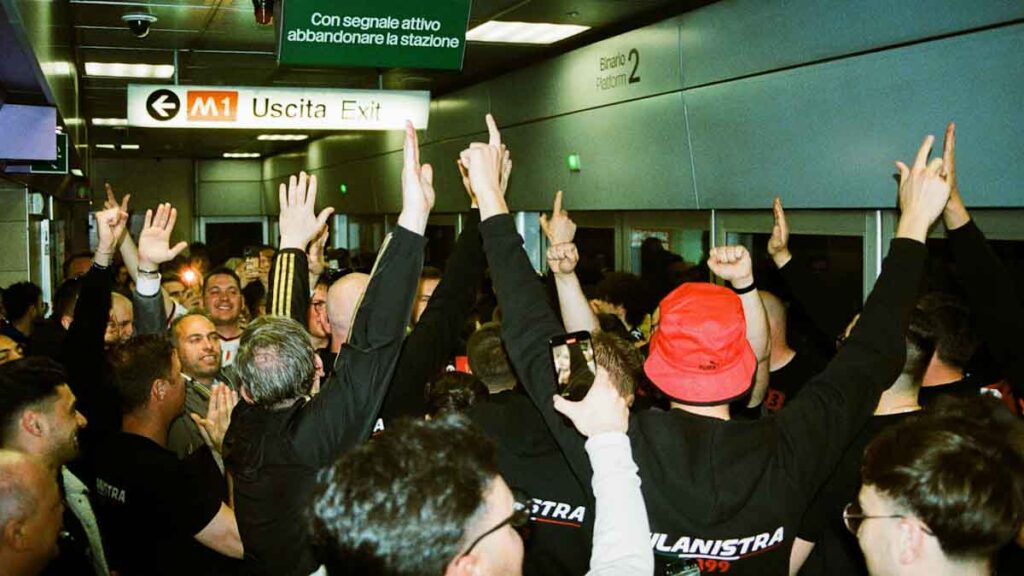
It’s not easy to define the italian Ultras phenomenon. It could be compared to English hooliganism, or to hinchas groups in Hispanic culture. To use a cliché, Ultras are the most passionate and dedicated football fans. But there’s much more about them: they are a fringe movement, they represent counterculture, a way of living football and life that is not in line with mainstream Italian society.
In this article we’ll explore who the Ultras are, how their groups were born, what they believe in. We’ll look at the latest controversies and how their organisations have changed over the years.
👉 Related: Football in Italy: Why Calcio is More Than a Game
The Origins of the Ultras Movement
The Ultras movement started in Italy in the late 1960s. The first organized groups appeared around teams like Sampdoria, Torino, Milan, and Roma. Italy at that time was a country full of political and social unrest. Youth movements were spreading, and many young people were looking for new ways to channel their rebellion. The stadium became one of the few places where they could do it freely.
The word Ultras comes from the Latin “ultra,” meaning “beyond.” It represents the idea of supporting your team beyond the limits, with total commitment. Each club’s Ultras created their own banners and songs. Over time, the curva (the curved stand behind the goal) became their home. In the curva, hierarchy, loyalty, and passion rule everything.
👉 Related: The Birth and History of Football in Italy
Ideology and Identity
From the beginning, Ultras groups developed strong political stances. Some leaned towards left-wing ideals, others right-wing, depending on local history and the people involved.
Ultras organize themselves in groups with leaders called capi who coordinate chants, banners, and actions. They often have their own meeting points, usually clubhouses, where they prepare materials for the next match. These groups are independent from clubs and often refuse official ties or sponsorships. However, criminal connections are not uncommon.
Symbols play an essential role. Flags, smoke bombs, and choreographies create visual identity.
Rituals and Symbolism
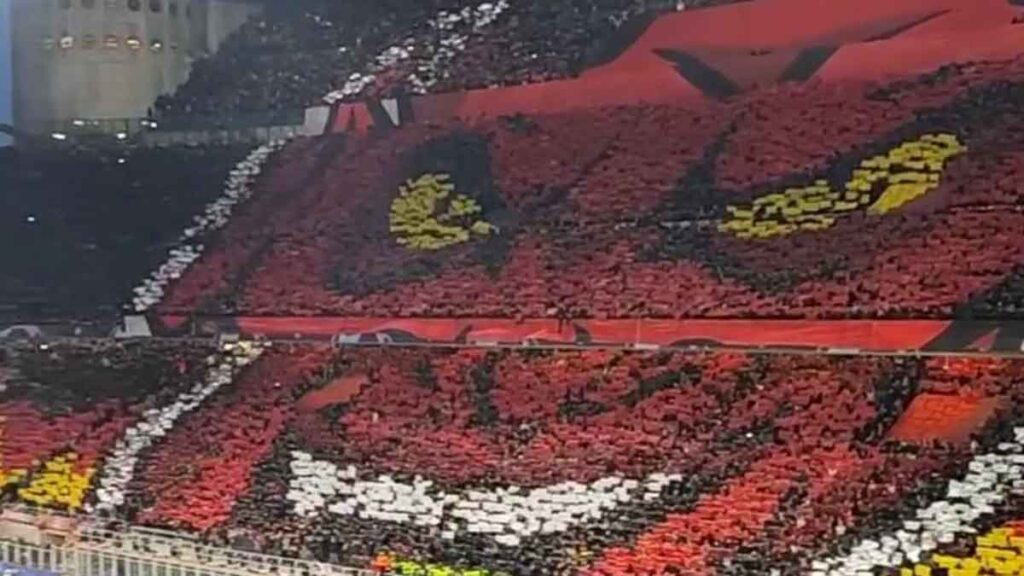
A typical Ultras performance involves chants, drums, flags, and coreografie — large coordinated displays that cover entire stands. The creativity and effort behind these shows are immense. Everything is handmade, often secretly, and revealed only during the match.
Match day is cathartic. Many Ultras arrive at the stadium early, prepare the banners, and start singing before kickoff. After the match, they stay to greet players or discuss what went wrong.
In defeat, things can get heated. In multiple cases, Ultras have been seen threatening players on and off the field. And, in more extreme circumstances, blackmail them and their families.
Clashes and Controversies
In fact, the history of Ultras cannot be told without its dark side. In the 1980s and 1990s, violence became part of the movement. Rivalries between cities and clubs led to fights inside and outside stadiums. Some groups were infiltrated by extremists or criminals. Incidents like Heysel (1985) and deaths of fans in clashes pushed authorities to act.
The Italian government introduced Daspo laws — bans preventing individuals from entering stadiums. Police surveillance increased, and clubs were forced to take responsibility for fan behavior. New stadium rules limited banners and standing sections. Many older Ultras say these measures destroyed the atmosphere; others argue they saved lives.
The most notable Ultras-related incidents in Italy’s recent times (2000-2025) include:
- 2 Feb 2007: A riot at a match between Catania and Palermo ended with the death of police officer Filippo Raciti; Serie A was suspended. (Wikipedia)
- 25 June 2014: A 26-year-old Napoli supporter, Ciro Esposito, died in Rome after being shot by a Roma fan before the 2014 Coppa Italia final. (ESPN)
- 27 December 2018: An Italian fan was killed amid violent clashes between Inter Milan and Napoli supporters. (ANSA)
- 17 June 2025: A Milan court sentenced sixteen hardcore ultras from Inter and AC Milan to prison terms for murder, extortion and association with the ’Ndrangheta mafia. (ESPN)
Ultras in Le Marche
Even small regions like Le Marche have strong Ultras traditions. Teams like Ascoli, Sambenedettese, Ancona, and Fermana have passionate groups that follow their teams home and away. These supporters see their clubs as part of their identity and as a way to represent their towns with pride.
In smaller communities, the curva is also a social space. Many members join as teenagers and stay for decades. Helping with banners, organizing trips, and collecting funds for displays are ways to keep the spirit alive. For many, being an Ultra means belonging to something larger than themselves.
👉 Related: Italian Football’s Hidden World: The Minor Leagues Explained
Passion Beyond Rules
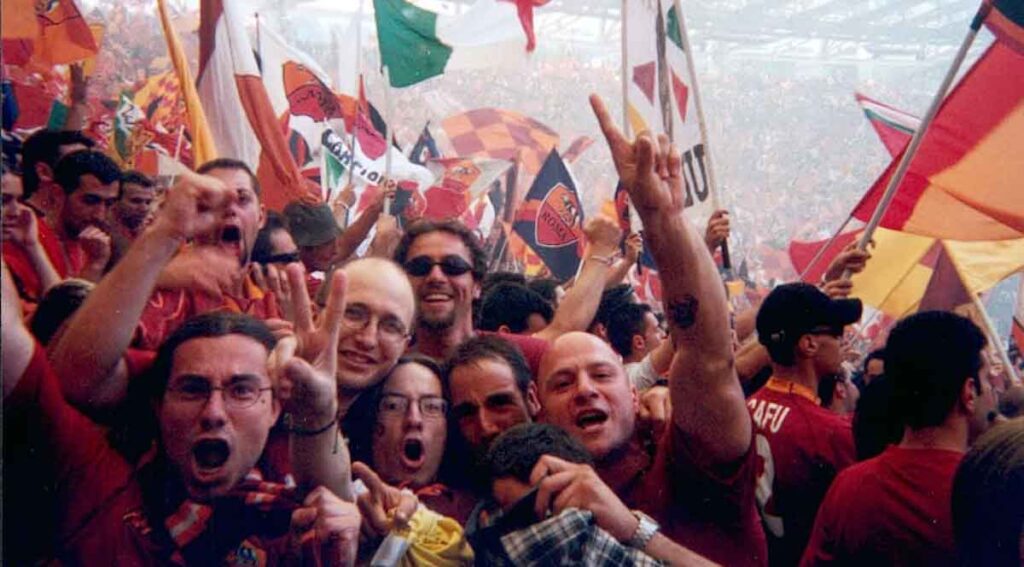
For Ultras, the stadium is one of the few spaces where they can truly be free. Everyday life has rules, routines, and limits, but inside the curva they can express emotions loudly and live as a collective. The chants, the adrenaline, and the unity create a sense of liberation. Outsiders might find it chaotic, but for those inside, it feels like home.
Local football is often one of the last ways Italians can show pride for their town and challenge their neighbors. These rivalries can sometimes go too far, but they are also a reminder of how deep-rooted football is in Italian identity.
Ultras Today
Modern Ultras face new challenges. Stadium modernization, rising ticket prices, and strict security measures have reduced their freedom. Yet, the movement is far from dead. Many groups use social media to organize and communicate their values. Others engage in charity, helping local communities and fans in need.
Even in lower divisions, Ultras still stand behind their teams every Sunday. Their presence reminds everyone that Italian football is not only about stars and TV rights — it’s also about people, passion, and belonging.
Key Takeaways
The Ultras movement is one of Italy’s most powerful cultural expressions. It began as a youth movement, became a social force, and still defines how thousands of Italians experience football and life.
See Also:
Image Credits
- Curva Sud (Roma): “Curva sud roma campione” by Fabioguardabassi, licensed under CC BY-SA 3.0.
- Curva Sud (Milan Euroderby 2023): “Curva Sud euroderby 2023” by Toletole, licensed under CC BY-SA 4.0.

