
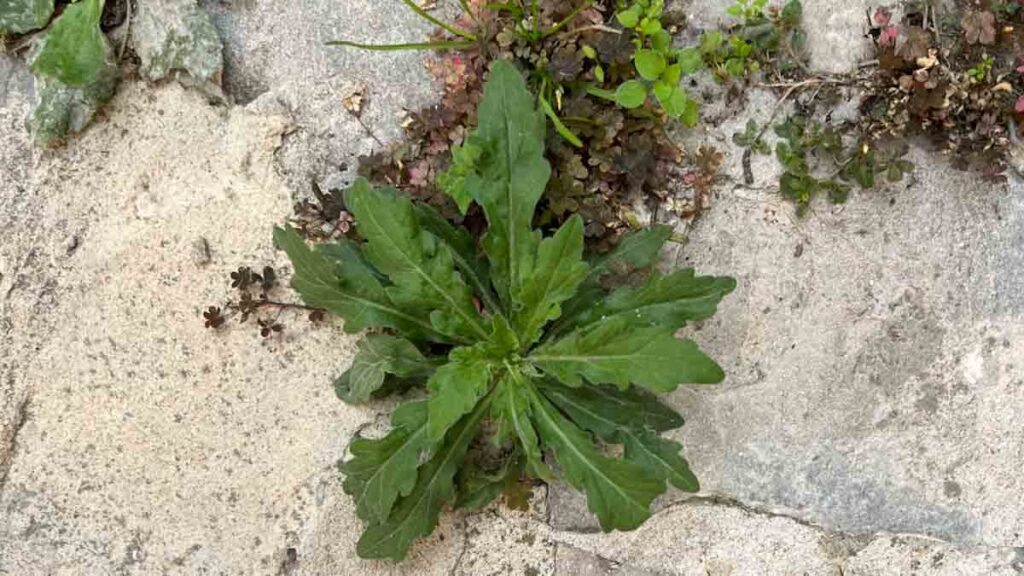
In Le Marche, people have gathered erbe spontanee (wild herbs) for centuries. If you know where to look, you’ll find these plants everywhere: along paths, in and around fields, near the woods. They can even emerge from concrete cracks.
Back in the day, they were used in everyday cooking, for herbal teas, and home remedies. Today, unfortunately, this knowledge is slowly disappearing. There are very few people that keep the tradition alive.
In this article, we’ll look at the most common wild herbs in Le Marche, you’ll learn how they were used, and how to recognise and collect them safely.
👉 Related: Food and Rural Traditions in Le Marche
Table of Contents
- What Are Erbe Spontanee?
- A Tradition Led by Women
- Common Wild Herbs in Le Marche
- How These Herbs Were Used
- Why The Tradition Is Fading
- How to Recognize and Collect Erbe Spontanee
- Keeping the Habit Alive
- Key Takeaways
What Are Erbe Spontanee?
The term erbe spontanee means “spontaneous herbs.” These are wild plants that grow naturally without being planted or treated.
In the past, especially in farming families, people knew exactly when and where to find them. Women in particular went out with small knives and baskets, often after rain, when the soil was soft and the plants easier to pull.
These herbs were an important food source during poor times, especially in spring before the garden vegetables were ready.
A Tradition Led by Women
The collection of wild herbs was mostly a women’s tradition. Early in the morning, before the day’s work, they would walk the countryside and return home with bundles of greens.
They knew which herbs were edible, which were good for teas or medicine, and which were dangerous. This knowledge passed from mother to daughter, often without being written down.
In many small villages, older women still recognize herbs by smell and touch alone, a skill younger generations are losing.
Common Wild Herbs in Le Marche
Let’s look at some of the best-known erbe spontanee found across the Marche hills and valleys.
Rugni (Wild Chicory)
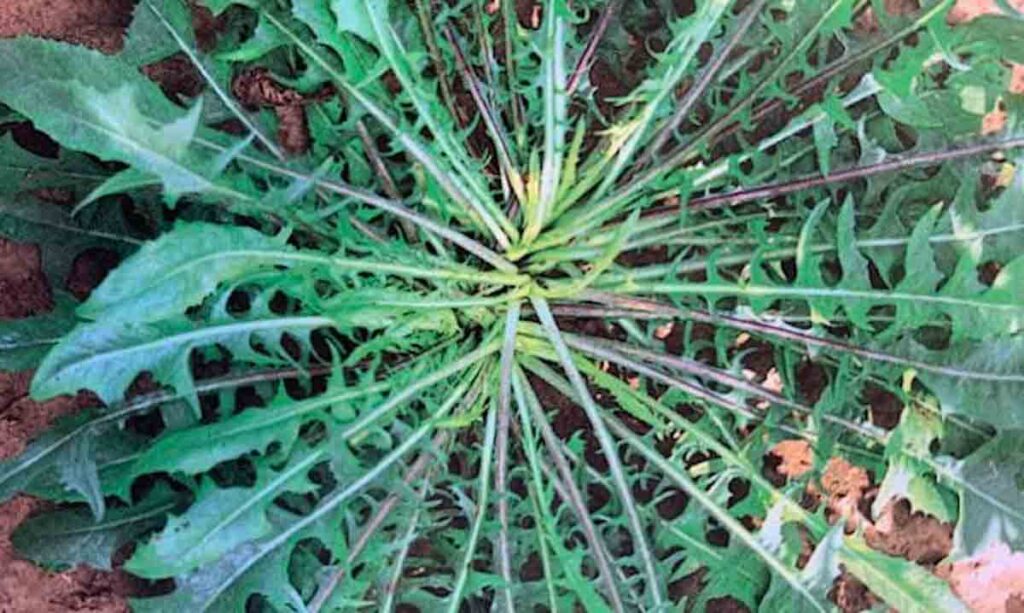
In Le Marche we call it Rugni (or, in some areas, Grugni). Wild chicory is one of the most popular wild herbs in our region. It grows in meadows and near roadsides, and its peak season is October to April. The leaves are slightly bitter and are usually boiled and then sautéed with garlic and olive oil.
It is rich in minerals and good for digestion.
Crespigne
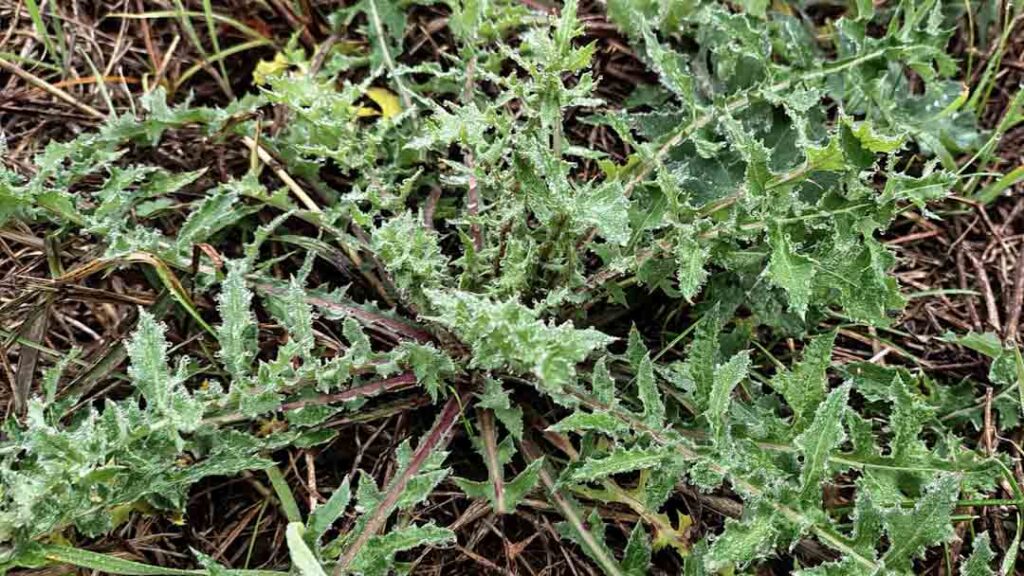
Crespigne is a very common and much-loved plant in the Marche region, where it can grow up to one meter tall. It flowers from March through October. In the kitchen, its leaves are mainly used in salads and are valued for their mild, slightly sweet flavor.
Speragne
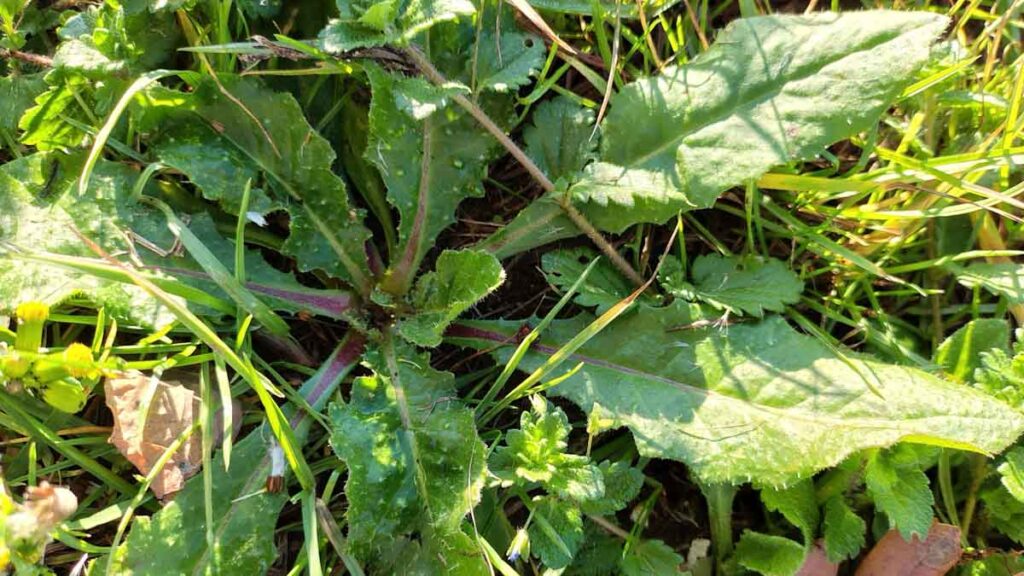
The name comes from Greek, and the plant itself has Middle Eastern origins. Its leaves are usually harvested in spring and eaten boiled or simply dressed. They can also be mixed with other herbs and enjoyed raw.
Bellis Perennis (Daisy)
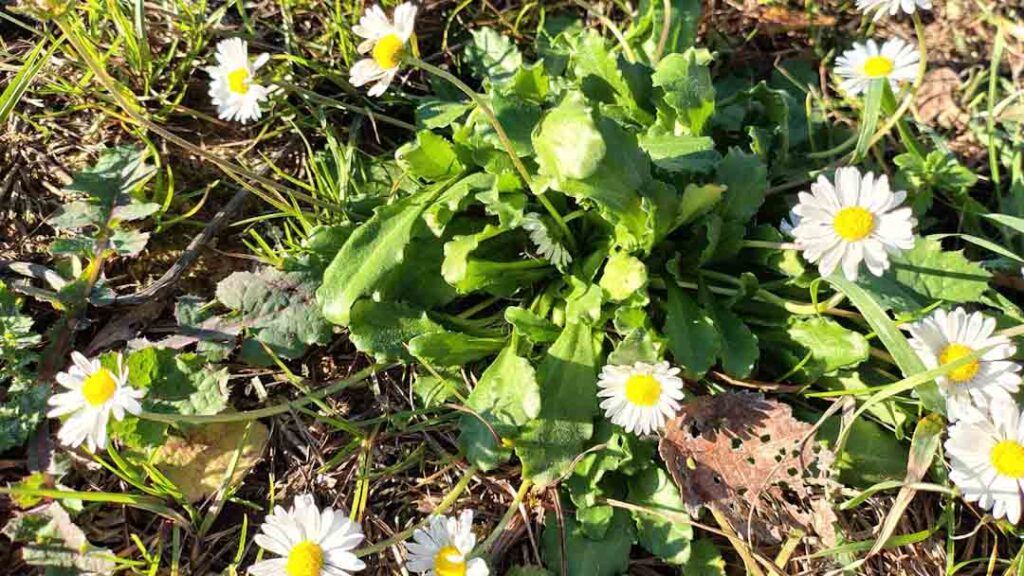
A true symbol of spring, the daisy is known for its detoxifying benefits for the body. Its leaves can be applied externally to help heal wounds, while infusions made from the plant are said to revive and refresh the skin. In the kitchen, young leaves are added to vegetable soups, and the white petals brighten salads with a delicate, fresh touch.
Pimpinella
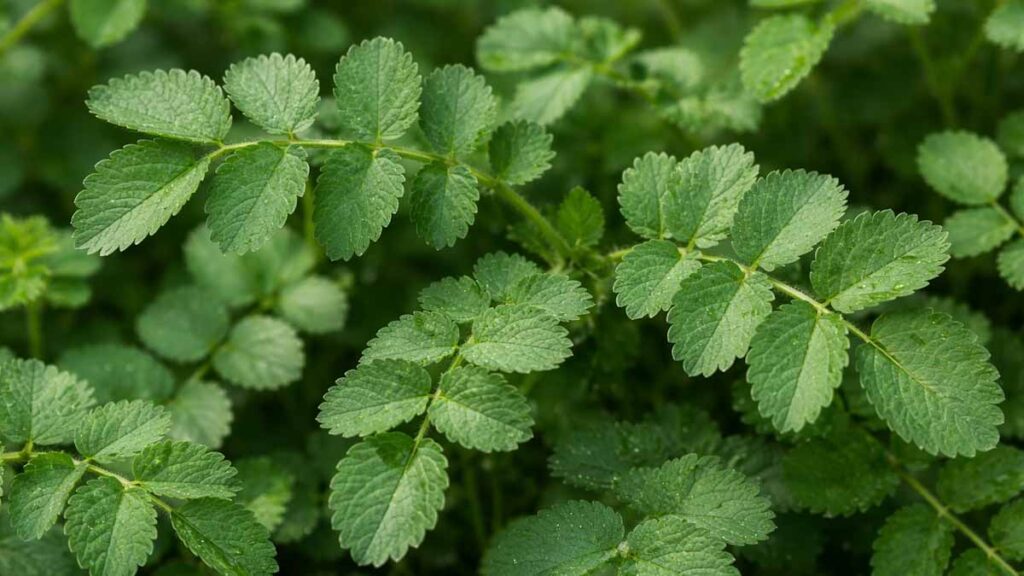
Pimpinella is a highly nutritious plant, known for aiding digestion and promoting diuresis. In the kitchen, the most tender leaves are used in soups and salads. Its flavor is bold and distinctive. The leaves are harvested from November through March.
Borragine (borage)
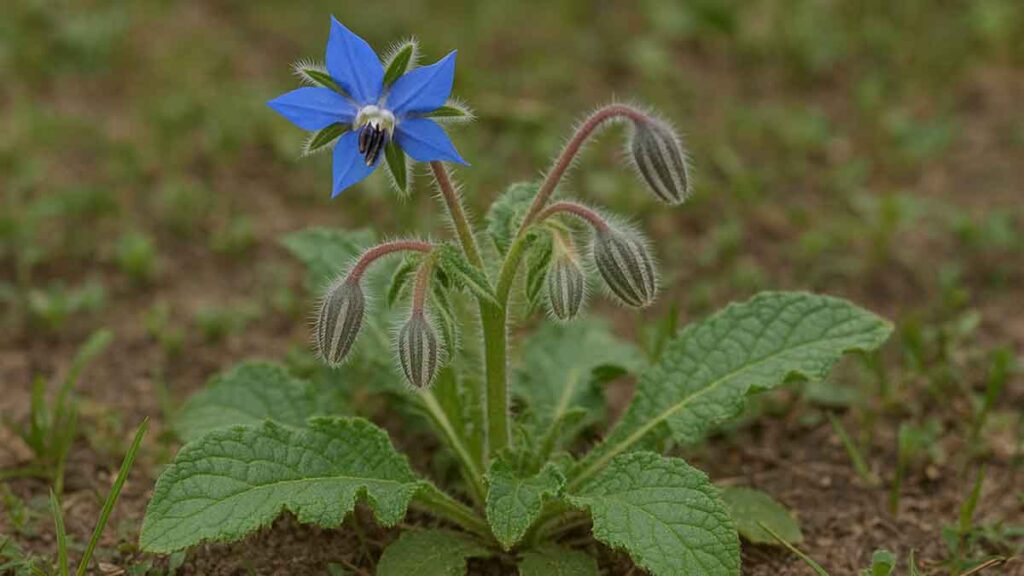
Covered with small blue flowers, borragine leaves are slightly hairy and soft when cooked. They are delicious in ravioli fillings or omelettes.
They were also used in teas for their calming properties.
Finocchietto Selvatico (wild fennel)
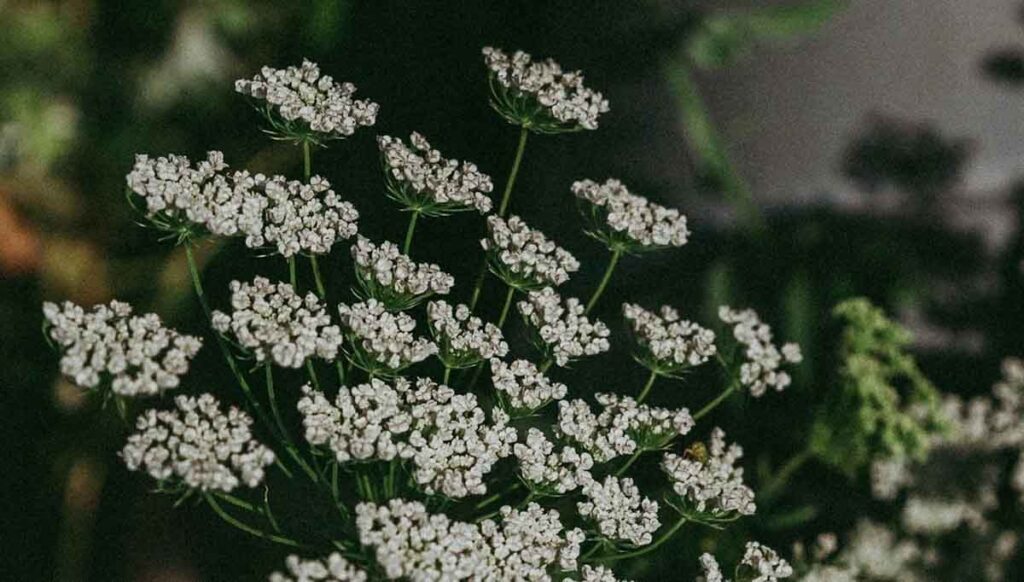
Very common in Le Marche, it has a strong aroma and its leaves can be used to flavour fish dishes and salads. Fennel seeds are used to flavor cheeses, sausages, and a wide variety of other dishes.
The plant is famous for its calming and digestive properties.
Porcacchia (porcacchia or porcaccia)
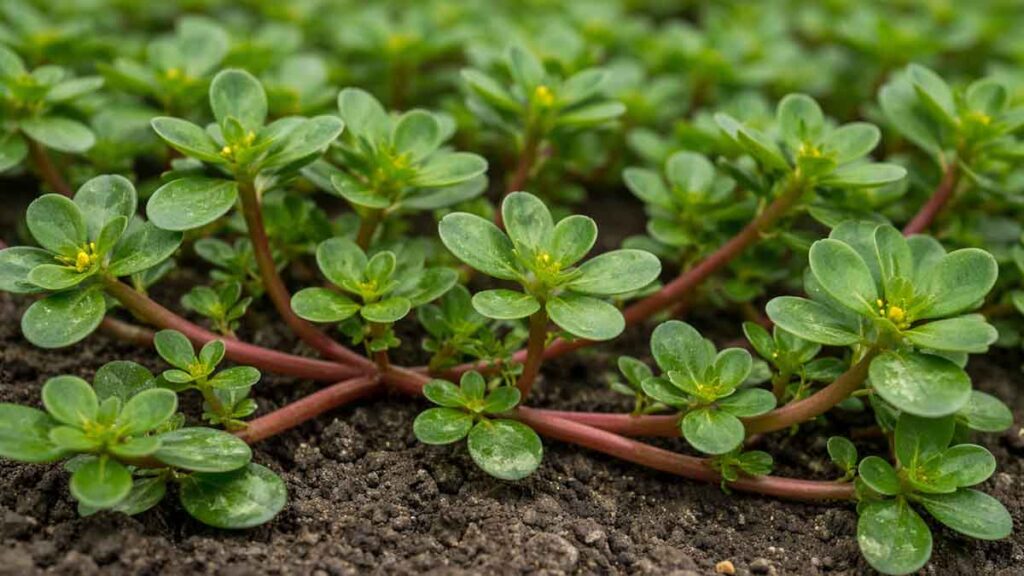
This plant, with its thick leaves and delicate flavour, is one of the hidden treasures of Marche cuisine.
It was often used in mixed herb dishes (misticanze) or lightly boiled and seasoned with oil and lemon.
Many people compare it to portulaca, but the taste is milder and softer. In some areas, it’s also used to make minestre di campo (country-style soups).
Tarassaco (dandelion)
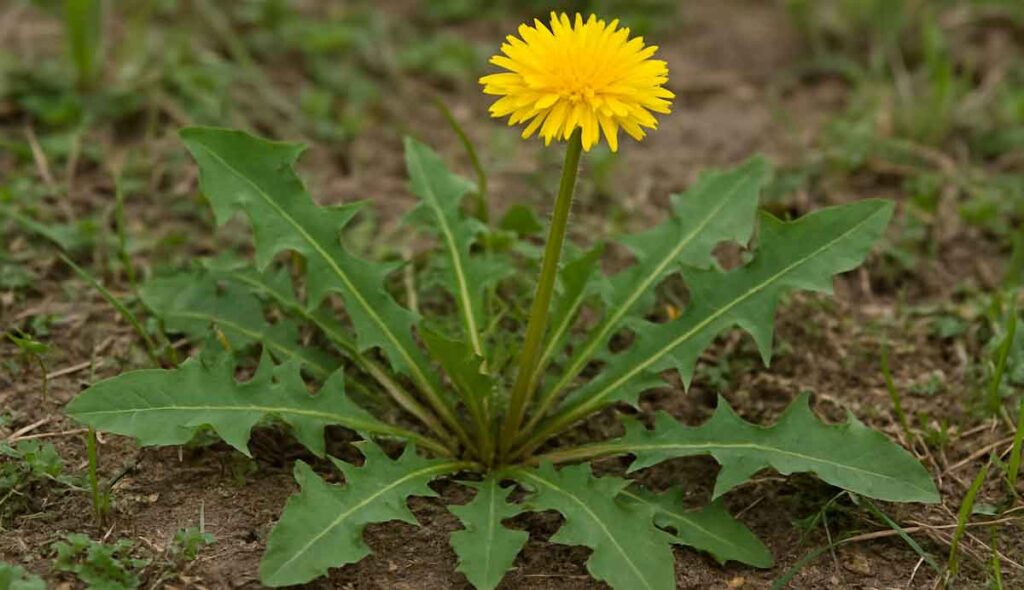
Used in both salads and teas, tarassaco is known for its detox properties.
The young leaves are less bitter and are often mixed with other herbs.
Ortica (nettle)
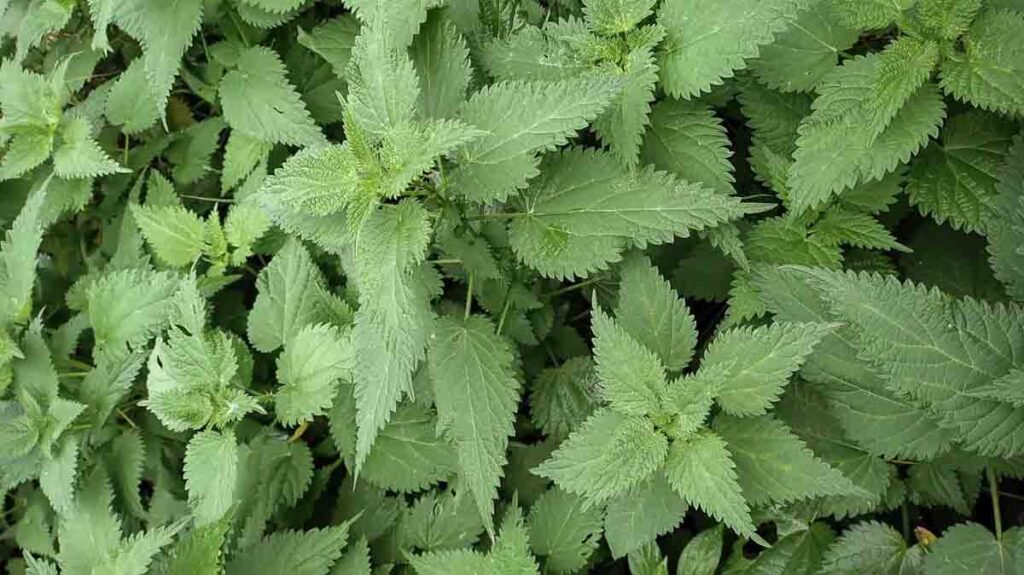
Yes, it stings! But once cooked, nettle becomes soft and full of nutrients. In Le Marche, it’s used to make risotto, ravioli fillings, and soups. My grandmother used to make tea with it.
How These Herbs Were Used
In the past, nothing went to waste. Every herb had a purpose.
- Cooking: Most herbs were boiled, sautéed, or mixed into omelettes (frittate di campo).
- Infusions: Tarassaco and ortica were common choices for herbal teas to “clean the blood.”
- Medicinal use: Borragine for cough, finocchietto for stomach aches, cicoria for liver health.
During spring, families often prepared a misticanza, which is a mix of different wild herbs seasoned with oil and lemon. It was considered a tonic after the long winter.
Why The Tradition Is Fading
With modern life and less connection to the countryside, fewer people know how to identify these plants.
Younger generations buy vegetables from supermarkets, and many of the old paths where herbs grew are now abandoned.
Still, some small festivals and local groups are trying to revive the tradition. In spring, you can find workshops teaching how to recognize and cook wild herbs.
In markets, you might still see women selling small bundles of erbe di campo, a living piece of rural Marche culture.
How to Recognize and Collect Erbe Spontanee
If you want to try collecting wild herbs yourself, follow these basic rules:
- Go with someone experienced the first time. Many edible herbs have poisonous lookalikes.
- Avoid polluted areas — never pick near roads or treated fields.
- Use a small knife and don’t pull out the whole plant, so it can grow again.
- Learn the right season: spring is the best time, when the herbs are young and tender.
- Clean them well when you get home. Some herbs hide small insects or dust.
If you’re not confident identifying plants, you could try at farmers’ markets or at your local fruttivendolo.
👉 Related read: Campagna Amica Explained
Keeping the Habit Alive
Collecting wild herbs connects you to nature and to a slower way of life. It teaches patience, observation, and respect for the land.
Even if you don’t live in the countryside, you can still support this tradition by buying local products or joining guided foraging walks in the Marche hills.
Key Takeaways
- Erbe spontanee are wild herbs traditionally collected in Le Marche.
- They were used for cooking, teas, and natural remedies.
- Knowledge of herbs was passed mainly through women.
- Common examples include cicoria selvatica, borragine, finocchietto, porcacchia, and ortica.
- This tradition is fading but still alive in some rural communities.
- You can join local events or walks to learn how to identify and cook them safely.