
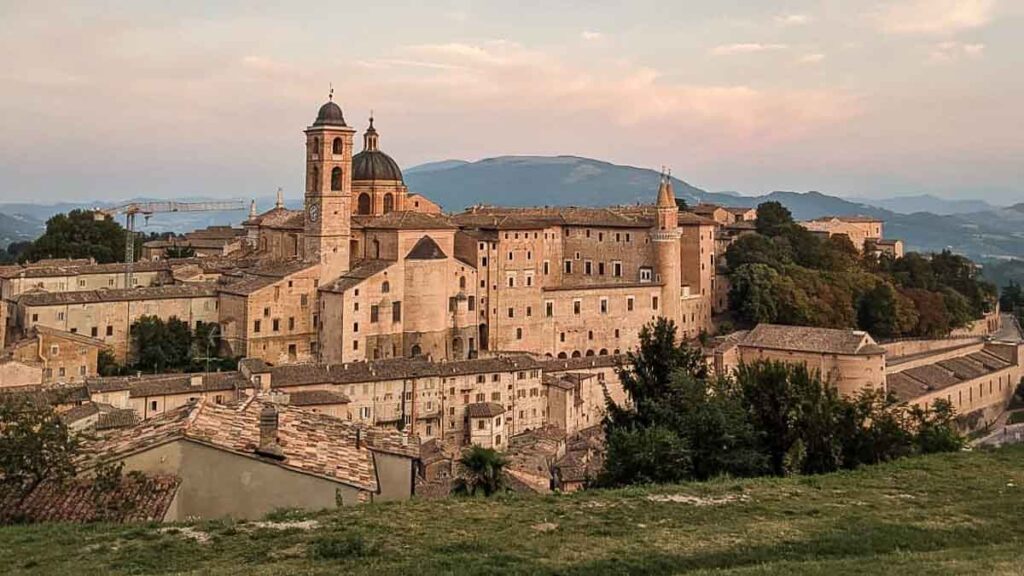
Buying property in Italy can feel like a dream for many Americans. Stone farmhouses, hilltop towns, pastel houses by the sea, slow rhythms, and a lifestyle that feels more human. Italy has beauty and history in every direction. But buying a home here is not the same as buying a home in the United States. The processes and legal requirements can be very different.
This guide explains everything Americans need to know before purchasing property in Italy: the rules, the costs, the timeline, the cultural details, and the common mistakes to avoid.
1. Yes, Americans Can Buy Property in Italy
Good news: Americans can buy property in Italy without restrictions. The U.S. and Italy have a reciprocity agreement, allowing American citizens to buy, own, and sell real estate just like Italians can in the U.S.
You do not need:
- residency
- citizenship
- an Italian address
You only need:
- a valid passport
- an Italian tax code (codice fiscale)
The codice fiscale can be requested via the Italian consulate or through Agenzia delle Entrate (local tax office).
Tip: If you cannot travel to Italy and want to speed things up from home, you can hire an Italian lawyer or real estate agent to act on your behalf. Once procura (power of attorney) is established, they can deal with the Agenzia delle Entrate for you.
2. Buying Property Does Not Give You Residency or Long-Stay Rights
Owning property in Italy does not give you the right to stay more than 90 days. Italy belongs to the Schengen Area.
Americans can stay:
- 90 days in every 180-day period
- without a visa
To stay longer, you need a long-stay visa or residency permit (permesso di soggiorno). Owning a house helps but does not guarantee approval.
This is one of the most common misunderstandings.
3. The Italian Buying Process Is Very Different From the U.S.
The Italian real estate system uses:
- the listing agent
- the buyer’s agent (optional but useful)
- the geometra (technical surveyor)
- the notaio (notary)
The notary is the most important figure. They act as a public official who ensures the sale is legal and all documents are correct.
Typical steps:
- Visit the property
- Make an offer
- Sign the preliminary contract (compromesso)
- Pay a deposit (usually 10–20%)
- The geometra performs technical checks
- Sign the deed (rogito) with the notary
- Pay the final balance
- Receive the keys
Timeline: 6 weeks to 4 months, depending on documentation.
4. The Geometra Is Essential (More Than a U.S. Home Inspector)
A geometra combines roles that, in the U.S., would require:
- a surveyor
- a zoning specialist
- a structural inspector
- a permit expert
They verify:
- plans vs. actual construction
- legal approvals
- boundary accuracy
- renovation history
- building compliance
If something is off, the notary can block the sale.
5. Italian Properties Are Sold “As-Is”
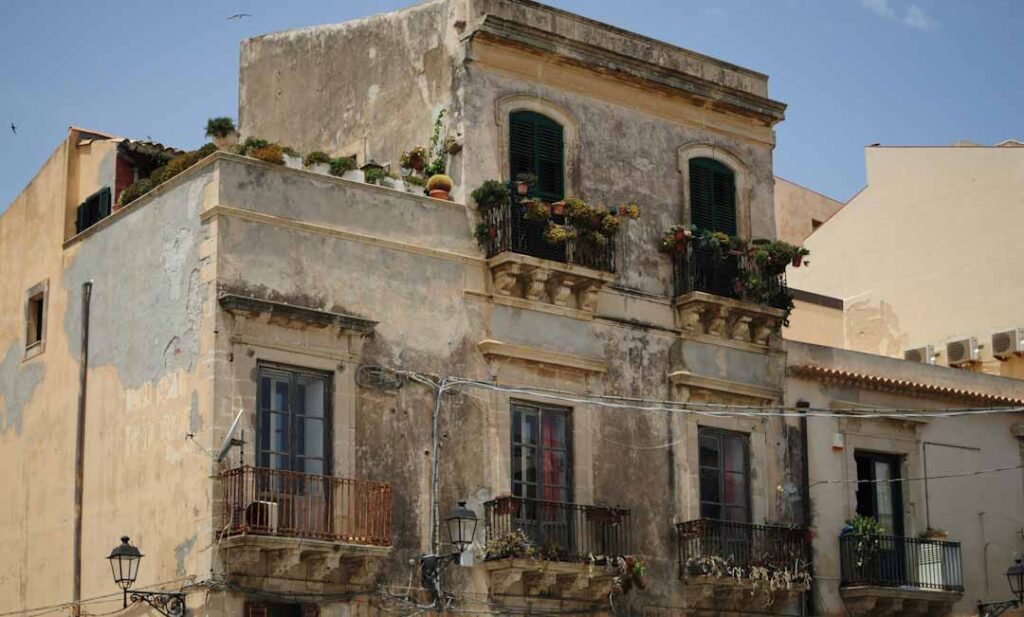
Most homes, especially older ones, are sold:
- without renovations
- without staging
- without system updates
- exactly in their current condition
If the property needs work, you buy it with all issues included.
6. Renovations Are Common (And Often Beautiful)
Many homes need modernization or full renovation. Renovation costs can be lower than in the U.S., depending on the region.
You’ll need:
- a geometra
- licensed contractors
- permits
Italian renovation timelines are longer, but the results can be incredible — especially for stone houses and rural properties.
👉 Related read: Renovating a Farmhouse in Le Marche: Costs and Considerations
7. Buyer Costs Are Structured Differently Than in the U.S.
Expect to pay:
- deposit at compromesso
- notary fees
- agency commissions
- geometra fees
- translator fees (if needed)
- taxes
Typical costs:
- Agency: 3%–4%
- Notary: €1,200–€4,000
- Geometra: €800–€2,500
- Translator: €300–€800
- Taxes: €1,000–€9,000+
If you gain residency, taxes can drop significantly.
8. Property Taxes Are Shockingly Low Compared to the U.S.
This is a major advantage.
Annual Italian taxes are modest. You may pay:
Even on large homes, taxes are often far lower than U.S. property taxes.
9. Italy Has Many Property Types (Choose Carefully)
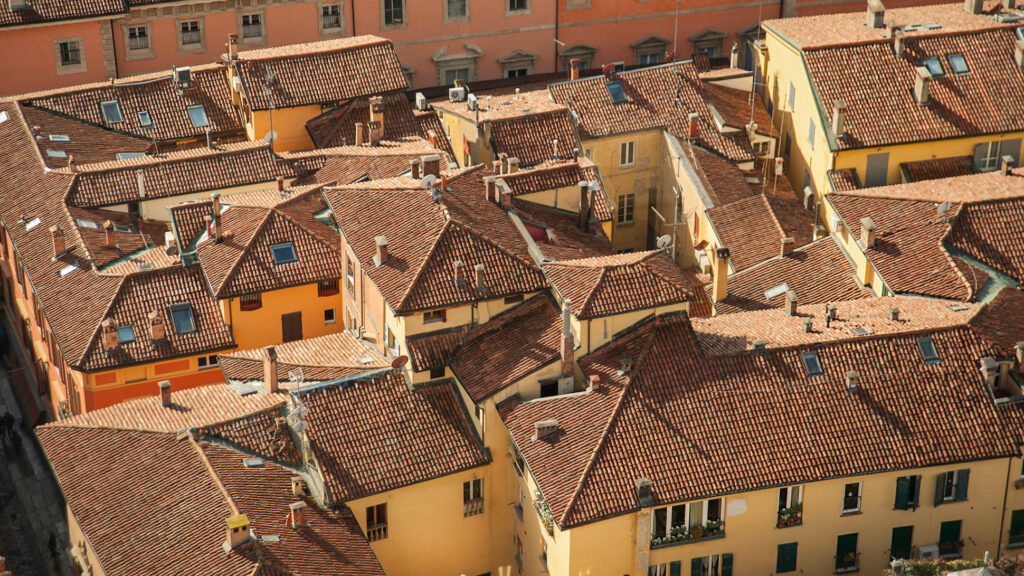
Italy offers:
- stone farmhouses
- village houses
- coastal apartments
- lake houses
- historic palazzi
- rustic ruins with land
Rural homes especially require attention because of:
- agricultural restrictions
- private access roads
- wells or septic tanks
Know exactly what you are buying and what applies legally.
10. Don’t Expect American Speed or Convenience
In Italy, things move slowly. Emails take time. Appointments take time. Documents take time.
Italian Property Offices value:
- precision
- legality
- conversation
- human relationships
Not speed.
If you embrace this, the process becomes more enjoyable.
11. Cultural Differences Matter When Buying Property
Expect:
- more bureaucracy
- slower responses
- handwritten documents
- strong local pride
- long discussions
- family involvement
Italy doesn’t operate on a U.S. customer-service model, but it offers warmth, hospitality, and community.
12. Choosing the Right Region Is Crucial
Real estate prices vary widely.
More expensive:
- Tuscany
- Lake Como
- Rome
- Milan
- Liguria coast
More affordable:
- Le Marche
- Abruzzo
- Umbria (parts)
- Piemonte countryside
- Emilia-Romagna rural areas
- Southern Italy
Le Marche is especially appealing for Americans:
- affordable
- safe
- strong community life
- sea + mountains
- excellent food traditions
- beautiful rural areas
13. Buying Property in Italy Can Be Life-Changing
Yes, Italy has paperwork and slower rhythms. But many Americans feel deeply rewarded by:
- a slower pace of life
- community connections
- safe towns
- extraordinary food
- meaningful traditions
- stunning landscapes
If you prepare well and understand the process, owning a home in Italy can be one of the most fulfilling decisions of your life.